Introduction to Blockchain and Its Financial Implications
In recent years, the term **Blockchain** has emerged as a buzzword, frequently mentioned in discussions about technology and finance. But what exactly is it, and why is it causing such a stir in the financial sector? Let’s dig deeper into how this innovative technology is reshaping the landscape of finance.
Understanding Blockchain Basics
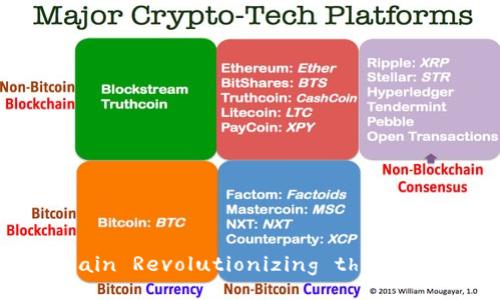
At its core, **Blockchain** is a decentralized digital ledger that records transactions across many computers. This means that the information isn’t stored in a single location but distributed across a network, enhancing security and transparency. Each block in the chain contains a number of transaction records, and once filled, it is linked to the previous block, creating a chain of information that’s incredibly difficult to alter.
This decentralization aspect is vital in the context of finance. Traditionally, financial transactions rely on intermediaries, such as banks and clearinghouses, to ensure security and correctness. However, as Blockchain eliminates the need for these middlemen, it opens the door for faster, more cost-effective transactions.
How Blockchain Enhances Financial Transactions
One of the most notable impacts of **Blockchain** on finance is its potential to streamline financial transactions. In a world where speed is paramount, Blockchain allows for the real-time transfer of funds, reducing the wait times associated with traditional banking. For instance, remittances that typically take days can be completed in mere minutes or even seconds.
Additionally, the cost of transactions can be significantly reduced. By cutting out intermediaries, both consumers and businesses can save money on transaction fees. Imagine sending money overseas without incurring hefty wire transfer fees—this is a reality that **Blockchain** is making possible.
The Rise of Cryptocurrency: A New Era in Finance

When we talk about **Blockchain**, we can’t ignore cryptocurrencies, the most famous of which is Bitcoin. Cryptocurrencies are digital or virtual currencies built on **Blockchain** technology. They allow for secure peer-to-peer transactions without the need for a central authority. This challenges traditional banking systems, as it gives individuals more control over their finances.
While Bitcoin was the first widely adopted cryptocurrency, thousands of others have emerged, each with its unique features and use cases. But what’s fascinating is not just the currencies themselves, but the underlying technology that enables them to exist. Cryptocurrencies are continuing to gain traction among retail investors as well as institutional players, as more people recognize the benefits of this new form of currency.
Smart Contracts: Automating Financial Agreements
Another groundbreaking application of **Blockchain** in finance is the development of smart contracts. These are self-executing contracts with the terms of the agreement directly written into lines of code. They automatically execute transactions when predetermined conditions are met. This functionality opens up a world of possibilities for automating financial agreements and ensuring that all parties adhere to the terms.
For example, imagine an insurance policy that automatically pays out when certain conditions are met, such as a flight delay or a natural disaster. With **smart contracts**, this process can be handled without human intervention, reducing administrative costs and minimising errors.
Challenges and Considerations
While the potential of **Blockchain** in finance is immense, it’s essential to address some challenges. Regulatory frameworks are often lagging behind technological advancements, leading to uncertainty in how cryptocurrencies and **smart contracts** will be governed. Moreover, there’s the issue of security; while **Blockchain** is inherently secure, vulnerabilities can exist in the applications built on top of it.
Additionally, public perception and education are critical. Many people still don’t understand **Blockchain** or cryptocurrencies, which hinders broader adoption. As the technology matures, there’s a growing need for educational initiatives that demystify these concepts for the average person.
Looking Ahead: The Future of Finance with Blockchain
So, what does the future hold for finance with **Blockchain** technology? The answer lies in continuous innovation and adaptation. Traditional financial institutions are recognizing the potential of **Blockchain** and are beginning to explore pilot programs and partnerships with fintech companies to integrate this technology into their existing infrastructures.
Moreover, as financial systems globally become more interconnected, the demand for transparent and secure cross-border transactions will increase. **Blockchain** presents a solution to these pressing needs, promising a future where transactions are instantaneous and transparent.
Conclusion: Embracing the Blockchain Revolution
In conclusion, **Blockchain** is poised to revolutionize the financial sector by enhancing transaction speed, cutting costs, and introducing innovative solutions like **smart contracts**. As we navigate this ever-evolving landscape, it’s essential for individuals and institutions to stay informed and adaptable. The potential benefits are too significant to ignore. Are you ready to embrace the future of finance driven by **Blockchain**?